Discover the Benefits of Powdered Vitamins
Introduction and Definitions 🧭
Compared with capsules or tablets, powders can be tailored for clean-label formulations, improved taste masking, and rapid go-to-market timelines—qualities increasingly valued by established brands and startups alike, as explained in natural supplements: a comprehensive guide to efficacy, safety, and practical use.
Ingredientsage supports private-label and contract manufacturing needs for cosmetics and dietary supplements, emphasizing organic and natural ingredients aligned with clean-label goals, as outlined in pure vitamins: a comprehensive guide to purity, quality, and safe selection.
What Are Powdered Vitamins? Forms and Examples 🧪
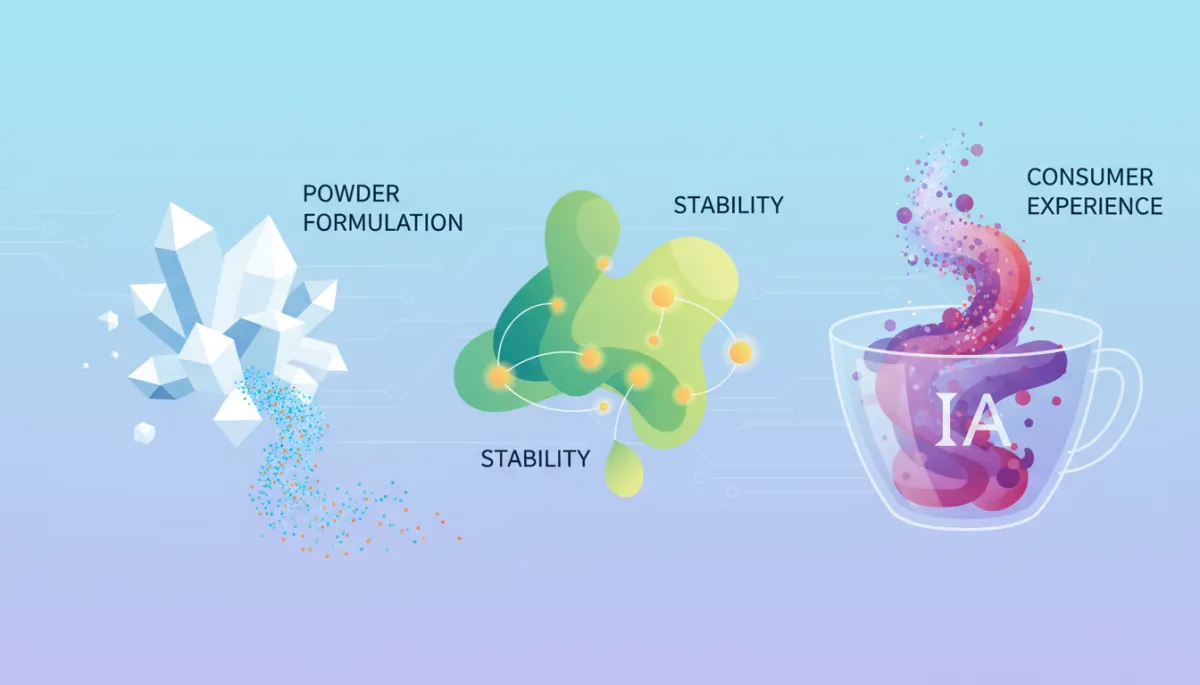
Powdered vitamins come in several core formats, each offering distinct advantages for formulation, stability, and consumer experience. Below are the main categories you are likely to encounter in the modern market.
Free powder forms
Free powder forms, such as ascorbic acid powder, are simple, straightforward vitamins provided as dry granules. They dissolve directly in water or other beverages and can be blended into custom formulas. These powders are favored for clean-label claims, minimal processing, and precise control over dosage per serving. However, without protective coatings, some labile vitamins may be sensitive to light, heat, or moisture, which can affect potency during storage.
Microencapsulated or liposomal powders
Microencapsulation and liposomal technologies wrap vitamins in protective shells or carriers. This can enhance stability against moisture and heat, mask taste, and, in some cases, improve bioavailability by facilitating controlled release or targeted delivery. For brands prioritizing shelf-stable products and clean-label claims, microencapsulation offers a practical path to combining performance with a consumer-friendly ingredient list.
Effervescent vitamin powders
Effervescent powders are designed to dissolve in water to create a ready‑to‑drink matrix with pleasant taste and mouthfeel. They are popular in daily wellness routines and are well-suited for formulating with flavor systems and sweeteners that align with clean-label goals. The challenge with effervescent formats is maintaining stability of sensitive vitamins in the presence of carbonation and acidity, which requires careful formulation and packaging choices.
Water-Soluble vs Fat-Soluble Powdered Vitamins 💧🧴
Understanding solubility and carrier requirements is essential when designing powder formulations. Water-soluble vitamins dissolve readily in aqueous media, enabling straightforward incorporation into beverages and powders. Fat-soluble vitamins, on the other hand, often require fat carriers or emulsified matrices to optimize absorption and stability.
Water-soluble powders
Vitamins such as vitamin C and the B-complex group are inherently water‑soluble. They disperse quickly in water, juice, or milk, making them ideal for powder beverages and ready-to-use mixes. Formulators often pair these vitamins with stabilizers to minimize oxidation and maintain potency during storage.
Fat-soluble powders
Vitamins A, D, E, and K typically need lipid-based carriers or emulsified systems to support absorption. In powders, these vitamins are frequently packaged within microencapsulated carriers or combined with small amounts of healthy fats to improve bioavailability. Emulsion-based or liposome-like approaches can further enhance uptake while preserving a clean-label ingredient list.
Delivery Matrices and Practical Usage 🎯
Delivery matrices describe how powders are presented to consumers in real-world use. The most common formats include direct‑dissolve powders, microencapsulated blends for stability, and ready‑to‑drink effervescent products. For private-label and contract manufacturing, matrix choices influence taste, mouthfeel, dispersion, and consumer adherence to daily supplementation routines.
Common matrices
Free powder in beverage mixes and stick packs is popular for single-serving convenience. Microencapsulated powders provide stability advantages for labile nutrients and can reduce grittiness in some liquids. Effervescent formats combine flavor systems with a carbonate base to create a refreshing drink with improved palatability and consumer engagement.
Powder multivitamin blends
Powder multivitamin blends packaged in jars or single-serve stick packs are commonly used for daily routines. These formats balance dosing flexibility with cost efficiency and can be formulated to meet clean-label standards using natural flavors and sugar- or stevia-based sweeteners.
Bioavailability and Absorption Considerations 🔬
Bioavailability—how effectively the body can absorb and utilize a vitamin—shapes formulation decisions. The carrier system, co-ingested nutrients, timing, and matrix all influence uptake. Vendors and brands increasingly pursue delivery methods that protect labile vitamins and optimize absorption without compromising clean-label claims.
Lipophilic carriers and fats
Fat-soluble vitamins benefit from co-ingestion with dietary fats. In powder form, incorporating small lipid carriers or selecting an emulsified matrix can enhance absorption when consumed with a meal. This approach also supports product stability by reducing oxidation risks for sensitive vitamins.
Microencapsulation and liposomal formats
Microencapsulation and liposomal strategies can shield vitamins from environmental stressors and potentially improve uptake by protecting them until they reach absorption sites. While not universally superior for all vitamins, these formats offer meaningful advantages for certain labile nutrients and for products targeting sensitive consumer segments.
Mineral interactions and timing
Minerals such as calcium and iron can affect the absorption of some vitamins. Formulators often separate minerals from certain vitamins or adjust timing recommendations to minimize competition for absorption. This planning is especially important in complex powder blends intended for daily use.
Dosing Fundamentals: Getting Dosing Right 🧭
Accurate dosing is foundational to product safety and consumer trust. Label directions, age and life stage considerations, and interactions with medications all shape dosing recommendations. Clear guidance helps avoid underdosing and overdosing while supporting personalized nutrition goals.
Label directions and variability
Always align dosing with regulatory guidance and clinical input when available. Dosing may vary by age, pregnancy status, health conditions, and lifestyle. For private-label partnerships, maintain consistency across batch runs to ensure uniform consumer experience.
Signs of under- and over-dosing
Underdosing can lead to suboptimal efficacy, while overdosing—especially of fat-soluble vitamins—poses safety risks. Consumers should be alerted to daily maximums and the signs of excessive intake, such as gastrointestinal distress or unusual symptoms. Clear labeling and COA documentation help mitigate these risks.
Interactions with medications
Some vitamins interact with prescription therapies, alter absorption, or affect metabolism. For example, certain minerals can influence anticoagulant efficacy or interact with lipid-lowering medications. Brands should advise healthcare professional consultation when users are on complex regimens.
Storage, Stability, and Shelf Life 🗂️
Powders are sensitive to moisture, heat, and light. Stability depends on packaging, storage conditions, and the presence of protective excipients. Clear shelf-life statements backed by stability testing help maintain potency and consumer confidence.
Moisture, heat, and light
Keep powders in airtight, opaque containers and protect from humidity and high temperatures. Desiccants may be used in packaging for high-humidity environments. Exposure to light and heat can accelerate degradation of sensitive vitamins, particularly ascorbic acid and some carotenoids.
Packaging, expiration, desiccants
Advanced packaging solutions—such as foil pouches, opaque jars, and humidity‑control liners—extend shelf life. Always validate expiration dates through COA-based stability testing under realistic storage conditions to support label claims.
COA and labeling
Third-party COAs verify content accuracy, purity, and contaminants. A robust labeling package communicates dosage, storage, allergen disclosures, and any allergen cross-contamination risks, reinforcing trust in contract manufacturing partners.
Taste Masking and Solubility Improvements 🎯
Taste and solubility are critical for consumer acceptance of powder formats. Natural flavor systems, sweetness adjustments, and solubility enhancers help create pleasant, convenient products that align with clean-label expectations.
Flavor masking
Natural flavors and approved sweeteners play a central role in masking bitterness or astringency from minerals or certain vitamins. Formulators balance flavor intensity with overall label claims to maintain brand integrity and consumer satisfaction.
Solubility enhancers
Agents that improve dispersion and prevent sedimentation—such as cyclodextrins or safe emulsifiers—enhance mouthfeel and uniform dosing in beverages. The choice of enhancer depends on the matrix and the target grade of the product.
Texture and microencapsulation
Microencapsulation can reduce graininess and improve texture in ready-to-drink formats. When done well, this approach preserves potency while delivering a smooth consumer experience consistent with premium, clean-label positioning.
Practical Mixing and Preparation Guidelines ⚗️
Clear, actionable mixing guidance helps end users achieve consistent results and maintain product integrity. Practical steps include temperature considerations, mixing techniques, and fat pairing for fat-soluble vitamins to maximize absorption.
Mixing with liquids
Powders should typically be mixed with cold or room-temperature liquids. Stir vigorously or shake to reduce clumping. Avoid hot beverages for sensitive vitamins to preserve potency and flavor integrity.
Pre-dissolving and ratios
Pre-dissolving a small amount of powder in a portion of liquid before adding to the full serving can improve dispersion. Adhere to recommended serving sizes and batch-specific guidelines to ensure consistent dosing across lots.
Fat pairing for fat-soluble vitamins
For fat-soluble vitamins, incorporating a small amount of dietary fat in the serving enhances absorption. This principle can be leveraged in milk-based drinks, yogurt formats, or beverage matrices with healthy fats or emulsified carriers.
Labeling, Quality, Safety, and Certifications 🏷️
Robust quality programs, third‑party testing, and clear certifications underpin consumer trust and regulatory compliance in the powder vitamin space. Emphasize GMP compliance, accurate COAs, and transparent allergen disclosures in product labeling.
Third-party testing and certifications
Seek third-party verification from established programs such as USP, NSF, or Informed-Choice where applicable. COAs should accompany each production run, detailing potency, contaminants, and batch history to support traceability.
GMP compliance and batch verification
Manufacturers should demonstrate GMP compliance through documented procedures, in-process controls, and batch verification protocols. Clean-label claims require careful supplier qualification and ingredient traceability to avoid cross-contamination.
Regulatory context
In the United States, dietary supplements operate under a framework established by DSHEA with FDA oversight. In the EU, additives, labeling, and health claims are governed by specific directives. Brands working with contract manufacturers should align with regional requirements and maintain ongoing compliance checks.
Medication Interactions and Safety Considerations 💊
Some vitamins and minerals interact with medications or medical conditions. Understanding these interactions helps protect consumers and inform transparent labeling and usage guidance.
Common interactions
Vitamin K can affect anticoagulant therapy, vitamin E can influence bleeding risk at high doses, and minerals such as calcium and iron can alter absorption of other nutrients. Formulators should consider these interactions when designing multi‑ingredient powders and provide clear usage guidance.
Calcium and iron considerations
Calcium and iron can compete for absorption, particularly when taken together. Spacing intake or separating these minerals in the daily regimen can optimize overall nutrient uptake in some formulations.
Consulting healthcare professionals
Advise consumers with prescription therapies or preexisting conditions to consult healthcare providers before beginning or changing a vitamin powder regimen. This is especially important for pregnant individuals, those with liver or kidney concerns, and people with malabsorption disorders.
Who Should Consult a Healthcare Provider? 👩⚕️👨⚕️
Personalized guidance is essential when addressing supplementation. Certain life stages or health conditions require tailored recommendations to maximize safety and efficacy.
Pregnant or lactating individuals
Pregnancy and lactation change nutrient requirements. Healthcare providers can tailor doses to meet fetal and maternal needs while avoiding excessive intakes.
Children, adolescents, and older adults
Pediatric and geriatric populations have distinct needs and safety considerations. Formulations should reflect age-appropriate dosing and micronutrient requirements to support growth and health while minimizing risk.
Malabsorption and metabolic conditions
People with malabsorption, liver, kidney, or metabolic conditions may require specialized formulations or monitoring. Clinical guidance ensures that powder vitamins meet individual needs without creating adverse effects.
Market Trends, Regulation, and Landscape 🔄
The powder vitamin market in 2026 is shaped by clean-label aspirations, personalized nutrition, and rapid private-label capabilities. Brands increasingly seek transparent ingredient lists, traceability, and flexible manufacturing partnerships to support speed-to-market and scalable growth.
Clean-label and personalized nutrition
Consumers demand transparent ingredient lists and simple, recognizable components. Personalization—from tailored blends to subscription models—drives demand for modular formulation platforms and flexible manufacturing cycles that Agencies like Ingredientsage offer to support fast iteration and regulatory compliance.
Direct-to-consumer models
Direct-to-consumer channels enable brands to test formulations quickly and gather real-world feedback. Powder formats align with these models by enabling modular SKUs, sample programs, and easier customization than traditional capsule lines.
Regulatory context and enforcement
Regulatory frameworks continue to evolve, with emphasis on GMP, COAs, accurate labeling, and allergen disclosures. Global brands managing private-label operations must stay current with regional guidance to sustain compliant product launches and market access.
Notable Brands and Product Examples in Powdered Vitamins 🏷️💡
Several established players and private-label friendly brands shape the powdered vitamins landscape. The following examples illustrate the range of formats and transparency that retailers and manufacturers look for when evaluating partners.
NOW Foods
A long-standing supplier with a broad lineup of powdered vitamins and ingredient options. Their offerings showcase versatility for formulation diversity and private-label projects, backed by extensive potency testing and documentation.
BulkSupplements
BulkSupplements provides bulk vitamin powders and delivery matrices suitable for formulators and private-label brands seeking scalable options and flexible packaging quantities. They emphasize straightforward documentation to support custom blends.
NutraBio
NutraBio offers powdered vitamins and blends with an emphasis on COA transparency and stringent quality controls, catering to brands prioritizing rigorous formulation verification.
Life Extension
Life Extension provides powders and transparent testing practices, aligning with consumer demand for clear data on potency and contaminants. Their approach supports brands seeking high‑quality, well‑documented ingredients.
Note
Product lines and certifications are continually updated. Always verify current offerings, certifications, and regulatory compliance at the time of purchase or formulation planning with your contract manufacturer partner.
Conclusion and Quick Takeaways 🧭✍️
Powdered vitamins offer dosing flexibility, faster dispersion, and potential stability benefits when formulated with appropriate carriers and protective matrices. They are especially well-suited for private-label partnerships that demand clean-label ingredients, rapid development cycles, and scalable packaging options. When selecting powder vitamins, prioritize bioavailability considerations, robust stability data, third-party testing, and transparent labeling that reflects real-world use and safety considerations.
Remember to assess bioavailability pathways, storage conditions, and potential interactions with medications. Work with manufacturers who provide COAs, GMP-compliant processes, and clear guidance on mixing, dosing, and label claims. For brands seeking a one-stop partner for formulation, manufacturing, and packaging with an emphasis on organic and natural ingredients, Ingredientsage offers end-to-end capabilities to support fast, compliant, and consumer-forward powder vitamin products.
"Powder formats are redefining how brands launch, test, and scale vitamin offerings while maintaining clean-label integrity and robust safety controls."
— Dr. Elena Rossi, Chief Formulation Scientist


