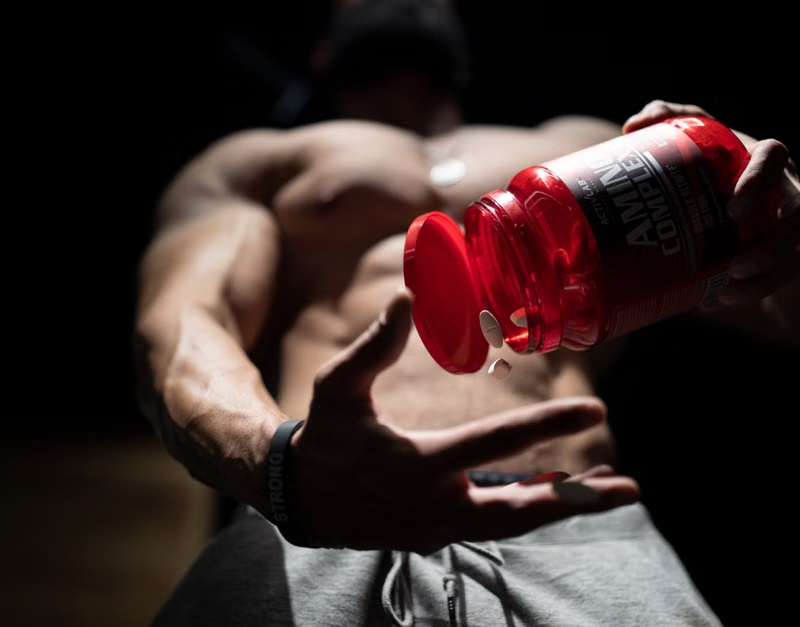
Supplements for Working Out: A Comprehensive Guide to Benefits, Dosages, and Safety
Introduction 🚀
This guide provides a current, evidence-based overview of supplements commonly used to enhance training outcomes, recovery, and body composition, and for a focused resource on vitamins that support workouts, see good vitamins to take while working out: a comprehensive guide.
To decide when supplementation is appropriate, are supplements good or bad? Let's dive in, and consider how they fill specific gaps—such as short-term fatigue, recovery from high-volume days, or rapid increases in training density—without creating dependency or misalignment with overall goals.
Comparison criteria for evaluating supplements 🔎
When choosing supplements for training ecosystems, use a consistent set of criteria to compare options. Focus on:
Mechanism of action: How the supplement supports performance, recovery, or body composition at the cellular or physiological level.
Typical dosage and timing: Realistic daily amounts and when they’re most effective around workouts.
Safety and potential side effects: Known risks, interactions with medications, and populations to approach with caution.
Strength of supporting evidence: Size and quality of trials, consistency of results, and relevance to real-world training.
Vegan/allergen considerations: Ingredient sources, allergen risk, and clean-label implications.
These criteria help you assess not just what works in lab studies but also what is reliable, scalable, and compatible with your brand values, including organic and natural formulations where possible.
Core mechanisms and roles of key supplements ⚙️
Below is a concise tour of the most studied options and how they support performance and recovery. Each subsection highlights a practical angle you can translate into formulation, labeling, and consumer messaging. 🧭
Creatine
Mechanism of action
Creatine increases phosphocreatine stores in muscles, enhancing rapid ATP regeneration during high-intensity efforts and improving sprint performance, repeated-sprint ability, and workloads in resistance training. It also supports lean-mass gains when paired with resistance training and may aid glycogen storage post-exercise.
Typical dosage and timing
Common practice is 3–5 g per day, with a loading approach of 20 g per day split into 4 doses for 5–7 days, followed by a maintenance dose of 3–5 g daily. Timing is flexible; consistency matters more than the exact time of day. Creatine monohydrate is the most studied and cost-efficient form.
Safety and interactions
Creatine is generally safe for healthy individuals when taken at recommended doses. Hydration is important to support kidney function and fluid balance, especially during high-volume training. Those with kidney disease or on certain medications should consult a clinician before use.
Caffeine
Mechanism of action
Caffeine blocks adenosine receptors, reducing perceived effort and increasing alertness, which can enhance endurance and high-intensity performance. It may also improve neuromuscular activation and focus during workouts.
Typical dosage and timing
Effective pre-workout dosing is typically 3–6 mg per kilogram body weight taken 30–60 minutes before training. Some individuals respond more strongly to lower doses; starting low and titrating helps minimize side effects.
Safety and interactions
Most people tolerate caffeine well, but high intake can disrupt sleep, increase anxiety, and interact with certain medications. Sensitivity varies by genetics, caffeine history, and time of day.
Beta-alanine
Mechanism of action
Beta-alanine rises muscle carnosine, which buffers acid during high-intensity efforts, potentially improving repetition performance and tolerance of training density.
Typical dosage and timing
2–5 g per day, typically split into 2–4 smaller doses to minimize paresthesias. Benefits accrue over weeks of consistent use, not after a single dose.
Safety and interactions
Paresthesias (tingling) are a known, dose-related side effect. Tolerance may develop with regular use, and splitting doses generally reduces this sensation.
Nitrates
Mechanism of action
Nitrates boost nitric oxide pathways, improving vasodilation, blood flow, and muscular efficiency, which can enhance aerobic performance and reduce oxygen cost during exercise.
Typical dosage and timing
300–600 mg nitrate equivalents taken 2–3 hours before training is a common range (often via beetroot juice or concentrated beet extracts). Consistency matters for endurance adaptations.
Safety and interactions
Beetroot products are well-tolerated by most, but may cause harmless red urine or stools in some individuals. People on nitrate medications or with certain cardiovascular conditions should seek medical guidance.
Protein / BCAAs
Mechanism of action
Protein provides essential amino acids for muscle repair and growth. Branched-chain amino acids may attenuate muscle soreness and support recovery, though whole-protein intake is generally more impactful for hypertrophy.
Typical dosage and timing
Protein intake targets typically 1.6–2.2 g/kg/day total, distributed across meals. A serving of 20–40 g protein post-workout is convenient for recovery; timing matters but distribution over the day is crucial.
Safety and interactions
Protein sources vary in digestibility and allergen content. Whey is fast-acting; plant-based blends suit vegan diets but require attention to complete amino acid profiles and digestibility.
Omega-3 fatty acids
Mechanism of action
EPA and DHA support anti-inflammatory signaling, may aid recovery, and contribute to joint health and cardiovascular benefits relevant to training adaptation.
Typical dosage and timing
Common targets are 1–3 g combined EPA/DHA daily, though some protocols use higher amounts for specific goals. Timing is flexible; consistency is key.
Safety and interactions
Omega-3s are generally safe; watch for fish allergen statements in some products and potential mild gastrointestinal effects at higher doses.
HMB
Mechanism of action
HMB may support lean-mass gains and reduce muscle breakdown during intense training, particularly in novice or returning athletes, though findings are mixed in well-trained populations.
Typical dosage and timing
1–3 g per day, often divided into two doses; benefits may emerge with consistent, long-term use.
Safety and interactions
Generally well-tolerated with a favorable safety profile, though long-term data in diverse populations remain an area of ongoing research.
Evidence-based dosages and timing 🧪
Applying evidence-based dosing helps optimize outcomes while keeping products practical for private-label standards. Below are the core ranges and practical scheduling guidance you can translate into formulations and consumer guidance.
Creatine: 3–5 g/day. Loading is optional and can shorten the time to visible improvements, but maintenance dosing after loading is typically 3–5 g daily. If your product supports convenient daily use, specify a single daily dose with optional loading instructions for athletes seeking faster uptake.
Protein: total daily target 1.6–2.2 g/kg body weight, distributed across 3–5 meals. A post-workout serving of 20–40 g is convenient for muscle-recovery benefits, especially after resistance training. For vegan formulations, emphasize complete essential amino acid profiles and digestibility considerations.
Caffeine: 3–6 mg/kg body weight taken 30–60 minutes pre-workout. If formulating beverages or powders, consider a 150–350 mg per serving option, with a clear labeling of total caffeine per serving to aid consumer decision-making.
Beta-alanine: 2–5 g/day in divided doses to minimize paresthesias. For performance goals requiring sustained buffering, plan a 4–8 week acclimation period for maximum benefit.
Nitrates: 300–600 mg nitrate equivalents 2–3 hours before training via beetroot-based products. For endurance-focused products, delivery timing should align with training sessions of longer duration.
Omega-3: 1–3 g combined EPA/DHA daily. For anti-inflammatory and recovery benefits, consistent daily intake supports training adaptations over weeks to months.
HMB: 1–3 g per day, often split; effect sizes are most noticeable with longer-term use in beginners or those returning from layoff.
Safety considerations and interactions 🛡️
Safety and interactions are essential when bringing a private-label supplement to market. Consider both product-specific risks and how combinations within a stack may impact users.
Creatine: Generally safe for healthy adults. Hydration matters; monitor kidney function in individuals with preexisting conditions or those taking nephrotoxic medications. Be clear about serving sizes to prevent excess intake.
Caffeine: Sleep disruption and heightened anxiety in sensitive individuals. Consider total daily caffeine exposure from all sources when formulating products and provide guidance for caffeine-tasting profiles or caffeine-free variants.
Beta-alanine: Paresthesias at higher single doses. Instruct consumers to space doses and consider timed-release or divided dosing to improve tolerability.
Nitrates: Generally well-tolerated; monitor for interactions with medications that affect blood pressure. Clearly label nitrate-containing ingredients and provide consumer guidance for those with hypotension or nitrate sensitivity.
Protein / BCAAs: Be mindful of allergen statements (dairy, soy, gluten) and complete amino acid profiles, especially in vegan blends. For digestive tolerance, consider hydrolyzed or easily digestible protein sources where possible.
Omega-3: Rare bleeding risk at very high doses in people on anticoagulants; label recommended daily intake and potential interactions with medications. Ensure sustainable sourcing and accurate labeling of EPA vs DHA content.
HMB: Generally safe; watch for individual tolerance and interactions with other anti-anabolic agents. Communicate evidence boundaries clearly when marketing claims.
Product selection: evidence-backed options and considerations 🏷️
When selecting ingredients and forms for a line, prioritize evidence-backed, label-friendly options with clear content and third-party verification. Here are practical guidelines for a clean-label, fast-to-market approach.
Creatine: Creatine monohydrate remains the gold standard due to robust evidence, cost-effectiveness, and broad tolerability. Avoid marketing blends with unproven claims unless you have solid data for each component.
Protein options: Whey protein offers rapid uptake and strong amino acid delivery for fast recovery. Plant-based blends can meet vegan targets but should provide a complete amino acid profile and demonstrate tolerability across consumer segments. Validate label claims with accurate amino acid breakdowns and digestibility data.
Beetroot/nitrate sources: Choose clearly labeled nitrate content from beet-derived products, with consumer-friendly serving sizes. Ensure product stability and taste compatibility in finished formulas.
Pre-workout blends: If you offer multi-ingredient pre-workouts, ensure each component has solid evidence and that combined doses stay within safe ranges. Avoid overhyped blends lacking transparency about ingredient amounts and third-party testing.
Omega-3s: Choose high-quality, sustainable sources with verified EPA/DHA content. Label details should include oxidation status and the total EPA/DHA per serving.
Vegan and allergen considerations 🌱
Plant-based options can meet performance goals when total daily protein targets are achieved and amino acid requirements are covered. Algal-based omega-3s (EPA/DHA) and vegan HMB are available, expanding options for vegan and allergen-conscious brands. Always verify allergen statements, label cross-contamination risks, and manufacturing controls to protect sensitive consumers. For protein lines, consider complete amino acid profiles and digestive tolerance, and clearly communicate any allergen risks on the label.
Tailoring recommendations to goals and populations 🎯
Different goals require different emphasis in your formulation and consumer guidance. Here are practical tailoring principles for common targets:
Strength and hypertrophy: emphasize adequate protein intake, stable creatine dosing, and caffeine optimization around workouts to support high-intensity training and lean-mass gains.
Endurance and fat loss: prioritize nitrates for efficiency and omega-3s for inflammation control, and maintain protein to preserve lean mass during caloric restriction. Ensure hydration and electrolyte balance are addressed in endurance formulas.
Recovery-centric plans: combine omega-3s with adequate protein and consider beta-alanine for buffering benefits in high-volume weeks. Align nitrate timing with training cycles for endurance days.
Consider demographic nuances such as age, sex, activity level, and lifestyle when recommending dosages or creating targeted product lines. For vegan or allergen-conscious brands, provide clear, compliant labeling and support with consumer education to reduce uncertainty.
Buyer’s note and safety checklist 🧾
Use this quick checklist to ensure products meet quality, safety, and label clarity standards before hitting the market.
Third-party testing and COA availability for key ingredients with batch numbers and verified specifications.
Clear labeling with serving size, caffeine content, nitrate content, and allergen statements.
Allergen controls for plant-based and dairy-containing ingredients; include cross-contact statements where applicable.
Caffeine guidance for daily intake and consumer education to prevent sleep disruption.
De-weaponized marketing ensures claims are evidence-based and avoids overstatements about rapid transformations.
Sourcing transparencyfor organic, natural, and clean-label ingredients; provide supply chain traceability where possible.
Clinical support when possible, with documented references to support key claims about performance and safety.
Creatine monohydrate remains the most studied ergogenic aid across strength and power sports, with robust evidence for improving high-intensity performance and lean mass when paired with resistance training.
Conclusion 💡
Adopting an evidence-based, goal-oriented approach to supplementation helps brands align products with consumer needs and regulatory expectations. Prioritize nutrition, training, and recovery first, then integrate well-supported supplements thoughtfully. For private-label and contract manufacturing, the emphasis should be on clean-label formulations, transparent labeling, robust quality controls, and scalable production that can adapt to new product launches and evolving consumer trends. By combining scientifically grounded dosages with practical dosing charts, vegan and allergen considerations, and a strong safety framework, you can deliver products that empower athletes and active individuals to train harder, recover smarter, and achieve their body-composition goals while meeting brand standards and market demands.


