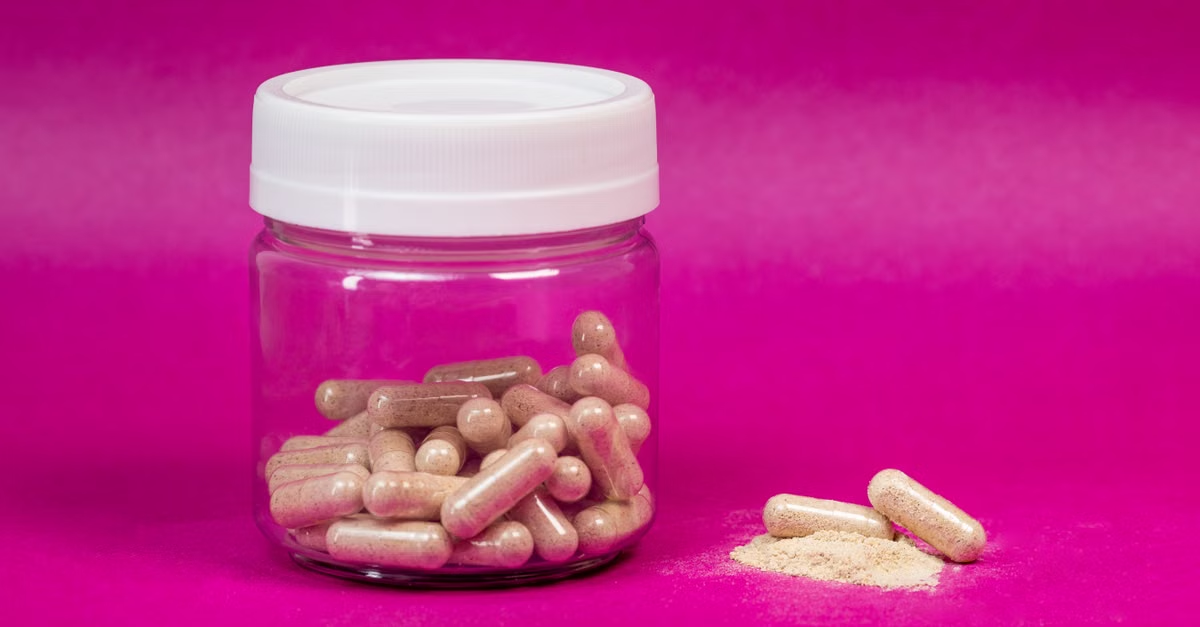
Powder Vitamins: A Comprehensive Guide to Benefits, Forms, and Usage
What Are Powder Vitamins? 💊✨
For brands and manufacturers, a flexible platform for custom supplement & food-based powders supports private-label products and fast go-to-market strategies, especially when clean-label ingredients and organic options are a priority.
This guide—pure vitamins: a comprehensive guide to purity, quality, and safe selection—helps you understand what they are, how they work, and how to make informed decisions for formulation, manufacturing, and consumer education.
Definition
Powder vitamins are formulations where vitamins, minerals, and related nutrients are dispersed in a dry, water-soluble matrix. They are intended to be reconstituted in liquids or incorporated into foods, allowing consumers to adjust serving sizes and tailor nutrient configurations. The powders may include inert carriers, flavorings, sweeteners, and binding agents to improve mixability, texture, and palatability while preserving nutrient stability.
Benefits and Use Cases
Portability and convenience: a compact format that travels well and reduces bulky packaging per serving.
Customizability: easy to adjust nutrient profiles, tailor to demographics (elderly, athletes, prenatal users), and combine with other ingredients in a single serving.
Taste masking and stability: Encapsulation and formulation strategies can minimize undesirable flavors and improve shelf-life in solution.
In a private-label setting, powder formats enable brands to offer a broad line of products without committing to separate SKUs for multiple dosage forms. For contract manufacturers, powders support scalable batch sizes, faster formulation iteration, and a streamlined QA process when paired with robust SOPs and third-party testing. As consumer demand shifts toward organic, clean-label ingredients, powder vitamins can be crafted with minimal synthetic additives while preserving nutrient integrity.
Key Consumer Questions
Readers and customers often ask, "How bioavailable are these powders? Will the powder dissolve cleanly in my beverage? Are there any allergy or dietary concerns I should know? And how should I store and dose them safely? Answering these questions clearly builds trust and helps retailers and manufacturers design better products. Consumers also want transparency around sourcing, third-party verification, and any potential interactions with medications or supplements. Addressing taste, texture, and solubility upfront reduces returns and improves adherence across populations.
Forms of Powder Vitamins and How They Work 🧩
Understanding the form factor is essential for stability, taste, and dosing accuracy. Each form brings a unique balance of convenience, cost, and performance, and the right choice often depends on the target consumer, manufacturing capabilities, and distribution channels. The following subsections cover the most common powder formats you’ll encounter in private-label and contract-manufacturing projects.
Dry Blends
Dry blends are typically shelf-stable powders composed of vitamins, minerals, and carrier materials that readily mix into liquids. They are favored for their simplicity and lower production costs and can be designed to support ambient or refrigerated storage depending on formulation choices. Mixability and taste vary with particle size, moisture content, and the presence of flavor enhancers. For manufacturers, dry blends offer predictable handling in bulk packaging and straightforward dosage accuracy, which helps with quality control and batch traceability.
Practical considerations include ensuring uniform dispersion in the final beverage, minimizing clumping through appropriate anti-caking agents, and selecting flavor systems that remain stable across a range of temperatures. For brands, a dry blend can be packaged as a single-serve sachet or a canister with a scoop, aligning with private-label labeling and sustainability goals. The performance of dry blends improves with a well-chosen carrier system that supports solubility and mouthfeel without compromising nutrient stability.
Effervescent Powders
Effervescent powders dissolve rapidly in water, creating a flavored, sparkling-like beverage. They often include acids (like citric or malic acid) and sweeteners, which contribute to taste and mouthfeel while enhancing dissolution. This format can boost consumer appeal, especially for on-the-go use, but requires careful attention to sugar content, acidity, and potential interactions with minerals that might affect solubility or taste (for example, calcium can influence flavor perception).
From a manufacturing perspective, effervescent products demand robust packaging to protect against moisture and CO₂ ingress, as well as precise dosing to maintain consistency across lots. For marketers, the flavor profile and branding opportunities are significant advantages, enabling seasonal or lifestyle-themed lines. Clean-label and organic formulations are increasingly prioritized, so formulators often swap synthetic stabilizers for natural alternatives to maintain shelf-life and sensory appeal.
Microencapsulated Powders
Microencapsulation coats nutrient particles with protective barriers to improve stability, mask unpleasant tastes, and enable controlled release in the digestive tract. This approach can significantly enhance tolerability for iron and some minerals while preserving bioavailability in the final product. Encapsulation materials may include polymers, lipids, or carbohydrate-based coatings designed to resist humidity and heat during storage.
However, microencapsulation adds layers of complexity and cost. It can influence release kinetics—meaning nutrients may become available at different rates depending on the coating and gastrointestinal environment. For private-label brands, the trade-off is often between improved sensory experience and manufacturing expense. Suppliers like Ingredientsage can help balance these factors by selecting coating materials that align with clean-label goals, organic sourcing, and GMP-compliant processes.
Bioavailability and Absorption Considerations 🔬
Bioavailability determines how much of a nutrient actually reaches systemic circulation and, ultimately, the body’s tissues. Powder formats can influence absorption through particle size, encapsulation, and formulation adjuncts such as fats, bioenhancers, or co-solvents. Understanding these dynamics helps formulators optimize efficacy while maintaining consumer safety and satisfaction.
Fat-Soluble Vitamins and Energy-Dependent Absorption
Fat-soluble vitamins A, D, E, and K require dietary fat for optimal absorption. When powder vitamins are consumed, pairing with a meal or beverage containing healthy fats can significantly improve uptake. This guidance is particularly relevant for dry blends and microencapsulated formats where the release profile can be tuned to coincide with the presence of fat in the digestive tract.
Interactions Among Nutrients and with Minerals
Interactions matter when multiple nutrients are present in a single serving. For example, calcium and zinc can compete with iron for absorption, potentially reducing iron uptake if delivered simultaneously. Formulators can navigate these interactions by sequencing serving timing (e.g., separate dosing for iron-rich products) or by using encapsulation strategies that control release to minimize competition in the gut.
Formulation Impacts on Stability, Taste, and Release
Encapsulation, particle size, and co-solvent choices influence stability and rate of release. Smaller particles generally dissolve faster, improving immediate solubility, but may be more prone to moisture uptake. Larger particles may slow release, affecting perceived effectiveness. Taste-masking strategies—such as flavoring systems and sweeteners—must be harmonized with masking ingredients to avoid unwanted aftertastes while preserving bioavailability. A thoughtful balance supports consumer satisfaction and real-world adherence.
Current Trends and Research Innovations 🚀
The powder vitamin space is being shaped by breakthroughs in delivery technology, personalization, and transparency. These trends are particularly relevant for contract manufacturers and private-label partners seeking differentiation and resilient supply chains.
Microencapsulation and Nano-Encapsulation Advances
Advances in micro- and nano-encapsulation are expanding the ability to protect sensitive nutrients from degradation, mask flavors, and enable targeted release profiles. These technologies can extend shelf-life in challenging environments and improve tolerability for bitter or metallic-tasting minerals. While costs may be higher, the long-term benefits include higher consumer retention and the potential for more precise nutrient delivery. Industry expertise is key to selecting encapsulation materials that align with clean-label aims.
"Encapsulation is not just about hiding taste; it’s about preserving potency and enabling predictable release across diverse consumer matrices." — Industry Formulation Expert
Personalization and Lifestyle-Specific Blends
Shifts toward personalized nutrition are driving demand for immune-support, energy, sleep, and prenatal nutrition blends tailored to life stages and activity patterns. Private-label partners can capitalize on this trend by offering modular formulations that allow brands to swap or add targeted nutrients without redesigning the entire product line. Data-driven development, combined with agile manufacturing, supports rapid market testing and iteration.
Clean Labels, Verification, and Sustainable Packaging
Consumers increasingly expect transparent ingredient disclosure, allergen clarity, and third-party verification. Certifications from USP, NSF, or other reputable bodies signal product integrity. Sustainability considerations—such as recyclable packaging, reduced carbon footprint in sourcing, and minimal reliance on artificial additives—are shaping both consumer choice and manufacturing practices. These factors are especially important for a partner like Ingredientsage, which emphasizes organic and natural, food-based ingredients coupled with private-label scalability.
Safety, Dosing, and Regulatory Landscape 🛡️
Regulatory frameworks and safety guidelines vary by region, and the powder vitamin category sits at the intersection of food, dietary supplement, and pharmaceutical expectations in some markets. A disciplined approach to dosing, labeling, and quality assurance protects consumers while supporting brand credibility.
Regulatory Landscape by Region
In the United States, powder vitamins fall under dietary supplement regulations; claims about efficacy are not pre-approved by authorities, and manufacturers must adhere to Good Manufacturing Practices (GMP) and truthful labeling. Other regions maintain similar regimes with regional nuances—especially around allowed nutrient levels, allergen declarations, and permissible health claims. For manufacturers and brands, a clear regulatory plan and ongoing monitoring of guidance from agencies help prevent reformulation costs and market setbacks.
Dosing Guidelines and Managing Interactions
Serving sizes should align with established daily values and upper intake levels (ULs) where relevant. Iron, vitamin A, and certain minerals require careful dosing to avoid toxicity or adverse interactions, particularly in populations taking medications or with underlying conditions. Education for retailers and consumers—about timing (e.g., fat-containing meals for fat-soluble vitamins) and potential interactions with medications—reduces the risk of misuse and supports safer consumer experiences.
Quality Signals, Certification, and Sourcing Transparency
Third-party certifications, GMP-compliant manufacturing, clear allergen statements, and transparent ingredient sourcing are increasingly expected by retailers and end customers. Programs that verify sourcing of non-GMO, organic, or allergen-free materials reinforce trust and enable smoother private-label onboarding. The combination of transparent supply chains and rigorous testing helps protect brands against recalls and reputational harm.
Storage, Shelf-Life, and Labeling 🗂️
Storage conditions, dating, and labeling are practical determinants of product performance, consumer satisfaction, and regulatory compliance. Proper handling from production through consumer use preserves potency and safety.
Storage Conditions
Most powder vitamins are best kept in a cool, dry environment away from heat and sunlight. Containers should be sealed tightly to minimize moisture uptake, which can degrade sensitive nutrients and lead to clumping or microbial concerns. For products with sensitive antioxidants or especially reactive minerals, consider moisture barriers and desiccants in packaging.
Shelf-Life and Dating
Typical shelf lives for powder formulations range from 12 to 24 months, depending on nutrient combinations, packaging, and storage conditions. Best-by dates should reflect realistic potency declines and be set with robust stability testing. For brands, aligning with distributor or retailer shelf-life requirements helps ensure consistent performance in-store or online.
Labeling Essentials
Labeling should include a complete ingredient list, nutrient amounts per serving, serving size, allergen declarations, storage notes, and any applicable third-party seals. Clear, accurate labeling reduces consumer confusion and supports regulatory compliance across markets. For private-label partnerships, establish labeling templates early and ensure your formulation specifications align with the final label.
Allergen, Dietary, and Labeling Considerations 🧭
Allergen safety and dietary suitability are central to consumer trust in powder vitamins. Transparent statements about potential cross-contact and clear certifications are essential for health-conscious buyers and brands that want to maintain inclusive product lines.
Common Allergens and Cross-Contact
Domestic and international facilities may process dairy, soy, gluten, nuts, and other common allergens. Cross-contact risk should be disclosed on labeling and controlled through production scheduling, dedicated lines where feasible, and rigorous cleaning protocols. Clear alpha-numeric batch tracking helps isolate any potential issue to a specific lot, minimizing broader impact.
Dietary Suitability and Certifications
Vegan, vegetarian, gluten-free, halal, and kosher certifications are increasingly important to a broad audience. Certification programs not only meet regulatory expectations but also signal to retailers and consumers that a product aligns with certain ethical or dietary standards. When designing private-label lines, verify certification status with suppliers, and maintain ongoing audits to preserve compliance.
Regulatory Labeling Requirements
Accurate nutrition facts, complete ingredient disclosures, and truthful claims are foundational. Regional rules dictate what health or wellness statements are permissible and how they must be worded. A compliant labeling strategy builds brand trust and reduces post-market risk, which is especially important for new product launches and shelf-ready SKUs in a private-label program.
Choosing and Using Powder Vitamins: Practical Guidance 🧭
Whether you’re a startup or an established brand seeking scalability, selecting the right powder format and nutrient profile is critical. The following guidance focuses on making informed choices for diverse populations and channels, with an eye toward speed-to-market and robust QA processes.
Population-Specific Needs
Different life stages and lifestyles demand different nutrient emphases. For example, elderly consumers may benefit from higher bioavailable forms of vitamin B12 and calcium support, while athletes may prioritize B vitamins, magnesium, and electrolytes. Pregnant individuals require folate and iron at carefully balanced levels. When designing formulas, identify your core user personas and tailor serving sizes, tolerability, and flavor profiles accordingly. A flexible private-label approach allows you to offer multiple SKUs with common manufacturing cores to streamline production.
Form and Convenience Considerations
Assess how the format (dry blend, effervescent, or microencapsulated) influences taste, mixability, and packaging. Consider serving size practicality, packaging materials, and the potential for leak-proof sachets or easy-pour jars. Choose flavor systems and sweetness levels that align with clean-label goals and target markets. For private-label projects, establish standardized flavor profiles that can be adapted for regional preferences without sacrificing consistency.
Third-Party Testing and Label Clarity
Third-party testing provides independent confirmation of potency, purity, and contaminant screening. Look for certificates that verify ingredient identity, potency, and allergen status. Clear, accurate labeling—detailing serving suggestions, storage, and potential interactions—fosters informed consumer decisions and reduces adverse events or complaints.
Practical Implementation and Daily Usage Tips 🗓️
Putting powder vitamins into real-world routines requires simple, repeatable steps that support adherence. The following practical tips help brands design products that customers can rely on every day.
Incorporation into Foods and Beverages
Powder vitamins can be added to smoothies, coffee or tea, yogurt, oatmeal, or breakfast bowls. Choose formats that maintain solubility and flavor integrity across common consumer beverages. For brands, provide usage guidelines and suggested recipes to illustrate versatility while protecting potency in real-world conditions.
Pairing with Fat-Soluble and Iron Considerations
To maximize absorption, pair fat-soluble vitamins with meals containing healthy fats. When including iron, consider potential timing strategies to minimize competition with calcium or fiber, especially in multi-nutrient blends. Clear recommendations help consumers optimize outcomes and avoid GI discomfort or reduced absorption.
Monitoring Tolerance, Sensitivities, and Safety
Monitor for taste fatigue, GI tolerance, or adverse reactions, particularly in new product launches or multi-nutrient formulas. Provide accessible guidance for consumers who are managing medications or medical conditions, and offer clear pathways to consult healthcare professionals if needed. For manufacturers, implement robust post-market surveillance and easy-to-access consumer support channels to address concerns promptly.
Practical Implementation: The Private-Label Advantage with Ingredientsage 🤝
For brands seeking a one-stop manufacturing and packaging partner, a private-label relationship with a capable contract manufacturer can dramatically shorten timelines and reduce risk. Ingredientsage offers end-to-end support—from raw material sourcing and stock formulas to custom formulations, packaging, and quality control, with capabilities across powder, encapsulated, and liquid formats. The emphasis on organic, natural, clean-label ingredients aligns with modern consumer expectations and sustainability goals, enabling faster go-to-market for both established brands and new launches.
Key considerations when partnering include traceable supply chains, GMP-compliant facilities, and the ability to provide third-party testing and transparent labeling. A strong partner will also offer flexible packaging options, allergen controls, and scalable production capacity to support growth without compromising quality. When you work with a capable contract manufacturer, you can focus on product concept, market fit, and consumer education while they handle formulation development, quality assurance, and regulatory alignment.
Conclusion 🧭
Powder vitamins deliver flexibility, customization, and consumer-friendly experiences across a range of life stages and wellness goals. With the right form—dry blends for simplicity, effervescent powders for appeal, or microencapsulated variants for stability and taste masking—you can tailor nutrient delivery to your audience while maintaining rigorous safety and regulatory standards. Prioritize transparent labeling, third-party verification, and clean-label ingredients to build consumer trust and brand loyalty. And for brands seeking speed, scale, and peace of mind, partnering with a proven contract manufacturer like Ingredientsage can unlock streamlined development, robust quality control, and end-to-end packaging solutions that align with your sustainability and certification goals. By staying informed about evolving delivery technologies and regulatory landscapes, you can help consumers achieve their wellness objectives with confidence and ease.


