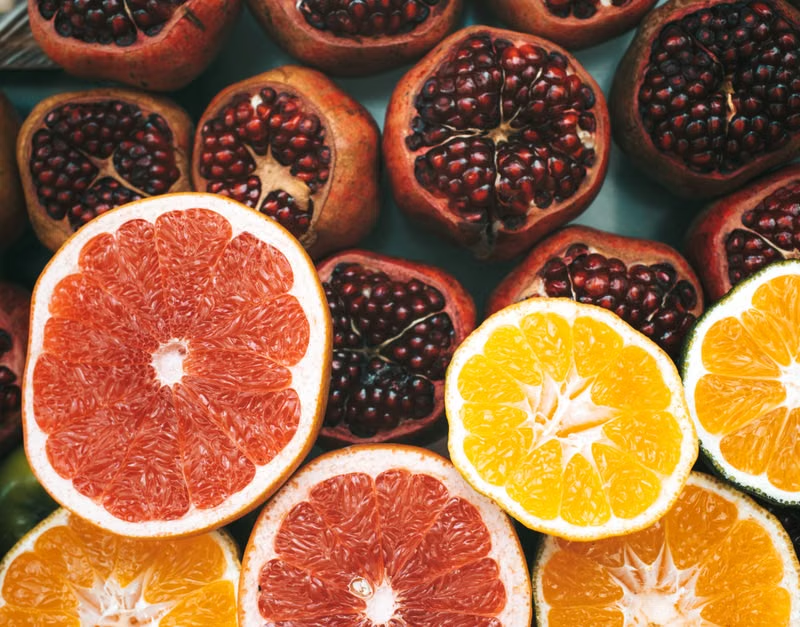
Food Vitamins: A Comprehensive Guide to Nutrients, Sources, and How to Optimize Absorption
🧭 Introduction
You’ll learn about the major vitamin families—fat‑soluble (A, D, E, K) and water‑soluble (the B‑complex vitamins and C)—and you can read about types of vitamins: a comprehensive guide to water-soluble and fat-soluble nutrients, which covers how they are absorbed, how cooking and processing affect them, and practical meal‑planning strategies to optimize intake.
🔎 Major vitamin categories at a glance
Across both groups, bioavailability varies by vitamin and by food matrix, and processing, cooking, and interactions with fats, minerals, and other compounds can substantially alter absorption. For a deeper dive, see health vitamins: a comprehensive guide to choosing, using, and understanding vitamins supplements.
Vitamin A: forms, sources, and absorption
Forms and what they mean for your intake
Vitamin A exists as preformed vitamin A (retinol) and as provitamin A carotenoids (the most notable being beta‑carotene) in plants. Retinol comes from animal‑source foods such as liver, eggs, and dairy, while beta‑carotene and related carotenoids come from colorful fruits and vegetables. The body converts some carotenoids to retinol, but conversion efficiency varies by person and by nutrient status.
Beta‑carotene is a safe, plant‑based option, but high‑level preformed vitamin A (retinol) can accumulate and pose toxicity risks if consumed in excess.
Key food sources
Top sources include liver, fish liver oils, eggs, and dairy products for retinol; plant sources such as carrots, sweet potatoes, spinach, and kale provide provitamin A carotenoids. The presence of dietary fat greatly enhances absorption of vitamin A, underscoring the value of a balanced plate.
Bioavailability and safety notes
In general, consuming vitamin A with dietary fat improves absorption. However, excessive retinol intake can lead to toxicity, especially from high‑dose supplements or frequent intake of liver products. Real-world advice: prioritize dietary sources and use supplements only when needed under professional guidance.
Vitamin D: sun, foods, and guidelines
Primary dietary sources
Fatty fish (such as salmon and mackerel), fortified foods (dairy, plant milks, cereals), eggs, and mushrooms exposed to UV light are the most common dietary sources. Vitamin D can be challenging to obtain in adequate amounts from food alone, especially in regions with limited sun exposure.
Sun‑driven synthesis and dietary role
Endogenous synthesis from sun exposure is a major source for many people, but latitude, season, skin type, sunscreen use, and indoor lifestyles reduce synthesis for a large portion of the population. In such cases, dietary intake and, when appropriate, supplementation become more important to maintain sufficiency.
Guidance and safety
Current guidance emphasizes a balance of sun exposure, fortified foods, and supplementation when necessary. The upper intake level helps guard against toxicity, particularly from high‑dose supplements. If you have limited sun exposure or darker skin, consider testing and consulting a healthcare professional for individualized needs.
Vitamin E: antioxidant role and dietary uptake
What it does
Vitamin E acts as a powerful lipid‑soluble antioxidant, protecting cell membranes from oxidative damage. It works in concert with fats, other fat‑soluble vitamins, and fat‑soluble enzymes to support immune function, cardiovascular health, and skin integrity.
Food sources and absorption
Good sources include nuts and seeds (almonds, sunflower seeds), vegetable oils, leafy greens, and fortified foods. As a fat‑soluble nutrient, absorption relies on bile and dietary fat, and processing or extensive heating can lower some vitamin E contents in foods.
Safety and interactions
There are established upper limits for alpha‑tocopherol from supplements; high doses may interact with anticoagulant medications and influence bleeding risk in some individuals. Emphasis on whole‑food sources tends to reduce these concerns while delivering beneficial antioxidant effects.
Vitamin K: K1 and K2 in diet and health
Two main forms and their roles
Vitamin K exists as K1 (phylloquinone) predominantly from leafy greens and K2 (menaquinones) from animal products and fermentation. Both forms contribute to blood coagulation and bone metabolism, with K2 adding nuance to bone health and cardiovascular considerations.
Dietary sources
Leafy greens like kale and spinach provide K1, while K2 is found in some dairy products, meat, and natto (fermented soy) or other fermented foods. The mix of K1 and K2 in a typical diet varies by culture and food choices.
Anticoagulant considerations
For people taking anticoagulants (such as warfarin), maintaining a consistent vitamin K intake is important. If you’re adjusting your diet or supplement plan, consult a clinician to align vitamin K intake with your medication regimen.
Vitamin C: sources, function, and stability
Role in the body
Vitamin C supports collagen synthesis, wound healing, and non‑heme iron absorption. It also contributes to antioxidant protection. Because it is water‑soluble and heat‑sensitive, cooking and storage practices matter for preserving its levels in foods.
Food sources and cooking considerations
Excellent sources include citrus fruits, berries, peppers, and kiwifruit. To preserve vitamin C, limit prolonged heat exposure, minimize water use in cooking, and consider consuming vitamin C–rich foods alongside iron‑rich plant foods to boost iron status.
Practical absorption tips
Pair vitamin C–rich foods with iron‑rich plant foods to enhance non‑heme iron absorption. Quick, light cooking helps retain vitamin C compared with extended boiling or frying.
🧬 B vitamins and the vitamin C group: roles and sources
Why these vitamins matter
B‑complex vitamins support energy metabolism, nervous system function, and red blood cell production. Vitamin C adds antioxidant protection and structural support for connective tissues. A varied diet that includes whole grains, legumes, lean proteins, dairy or fortified alternatives, leafy greens, and fruits typically covers these needs for most people.
Key dietary sources and cautions
Common sources include whole grains, meat, dairy, eggs, legumes, leafy greens, and fortified foods. Vegans and vegetarians should plan for reliable B12 and consider fortified foods or supplements; vitamin D status may also require attention in higher latitude populations. Interactions with certain medications can occur, so consult a clinician if you’re on long‑term therapies.
Special populations and needs
Pregnant individuals need folate (B9) to support fetal development, while older adults may require attention to B12 status. If you have restricted diets or chronic conditions, testing and professional guidance can help tailor intake to your needs.
💡 Bioavailability, processing, and preparation effects
How cooking changes vitamin content
Cooking methods influence vitamin retention. Steaming and light heating generally preserve more vitamins than boiling or frying. Water‑soluble vitamins can leach into cooking water, while fat‑soluble vitamins benefit from the presence of fat in the meal.
Storage and preparation considerations
Storage time, light exposure, and chopping/oxidation can degrade some vitamins, particularly water‑soluble and heat‑labile ones. Minimizing prolonged storage and using fresh or properly stored produce can help maintain vitamin levels.
Strategies to maximize absorption
Pair fat‑soluble vitamins with healthy fats, consume vitamin C with iron‑rich plant foods, and minimize extended heat exposure. Use cooking water for sauces or soups to recover leached nutrients when appropriate.
Fortification, biofortification, and contemporary trends
What fortified and biofortified mean for public health
Food fortification (adding vitamins to foods such as cereal grains or dairy) helps address population gaps in intake. Biofortification (breeding crops with higher vitamin content) aims to raise vitamin levels in staple foods, offering a practical strategy for improving intake in communities with limited access to diverse foods.
Current trends and consumer expectations
There is growing demand for clean‑label, organic, and naturally derived vitamins in foods and beverages, alongside products with transparent labeling about fortification levels and nutrient quality. Consumers increasingly seek information about absorption, food synergy, and natural vs. synthetic sources.
Regulatory and labeling considerations
Guidelines from NIH ODS, EFSA, and WHO emphasize transparency, accurate labeling of nutrient contents and serving sizes, and clear communication about any health claims. Manufacturers should balance fortification strategies with overall diet quality and consumer safety.
🧑🎓 Special populations and considerations
Pregnant, lactating, infants, and aging adults
Pregnancy elevates the importance of folate (B9) and iron, while B12 status becomes a concern for older adults and vegetarians/vegans. Vitamin D status can also be a focus in older adults or those with limited sun exposure. For infants, breast milk and formula provide the primary vitamin sources, with supplementation advised as appropriate for certain groups.
Medication and health condition interactions
Medications like anticoagulants, metformin, or orlistat can affect vitamin needs or absorption. Always discuss supplementation with a clinician when on chronic therapies or managing specific health conditions.
Practical guidance for formulators and planners
When developing products for these populations, consider bioavailability, potential interactions, and the need for targeted fortification. Clear labeling about intended use and dosage helps ensure safe, effective consumer outcomes.
🍽️ Practical meal planning to optimize vitamin intake
Foundational principles
Plan a daily plate that features a variety of foods from different vitamin groups, prioritizing minimally processed, nutrient‑dense options. Emphasize colorful produce, whole grains, lean proteins, and healthy fats to support absorption and balance.
Pairing for absorption
To maximize absorption, pair fat‑soluble vitamins with healthy fats, include vitamin C alongside iron‑rich plant foods, and avoid prolonged cooking of water‑soluble vitamins. A well‑rounded breakfast, lunch, and dinner with colorful components helps cover multiple vitamin needs.
Practical weekly examples
Example meals: a spinach‑tomato‑sweet potato sauté with olive oil for vitamin A and E; a salmon bowl with broccoli and quinoa for vitamin D and K; a citrus‑bell pepper salad with chickpeas for vitamin C and B vitamins. Use cooking methods that preserve nutrients, such as steaming or microwaving, and reserve cooking water when feasible to recover leached nutrients.
🧠 Debunking myths and common misconceptions
Myth 1: More vitamins always mean better health
High‑dose supplementation can cause adverse effects and may interact with medications. For most healthy individuals, a varied, balanced diet meets vitamin needs without the risk associated with megadoses.
Myth 2: All vitamins are best obtained from supplements
In general, whole foods provide a complex matrix of nutrients, fiber, and bioactive compounds that work together. Supplements can be helpful in specific situations (deficiencies, dietary gaps, certain life stages) but are not a universal substitute for food.
Myth 3: Cooking destroys all vitamins
Many vitamins are robust to certain cooking methods. The key is choosing appropriate techniques (steaming, microwaving) and using shorter cooking times to preserve heat‑labile vitamins.
💡 Conclusion and takeaways
Key takeaways
Prioritize a diverse, vitamin‑rich diet as the foundation of health. Understand the differences between fat‑soluble and water‑soluble vitamins, how processing and cooking affect absorption, and the role of fortification and biofortification in public health. For special populations, consider individualized needs and consult healthcare professionals when in doubt about supplementation or medications. Use practical meal planning strategies to maximize vitamin intake through real‑world foods, not just pills.
Ongoing learning and action
Stay current with guidelines from NIH ODS, EFSA, and WHO, and translate evidence into product development and consumer guidance. By combining accurate science with clear, actionable advice, you can support immune health, bone health, energy metabolism, and overall well‑being in your formulations and in the meals your customers prepare at home. 💪
Expert perspective: A varied, whole‑foods approach remains the safest and most reliable foundation for meeting vitamin needs across populations.


